Creating a Place to Belong

Creating a Place to Belong
How BCIT Built Community and Belonging in the Skilled Trades
When the BCIT ConnectHER Hub launched in November 2024, it started with a clear purpose: support the retention, success and advancement of women and gender-diverse people in the skilled trades.
The idea responded to a gap familiar to many trades’ students and workers. Recruitment matters, but getting people into the trades is only the beginning. Women and gender-diverse tradespeople can continue to experience harassment, discrimination, exclusion and othering in classrooms and workplaces. Building lasting careers means addressing those realities while creating stronger opportunities for connection, mentorship and support.
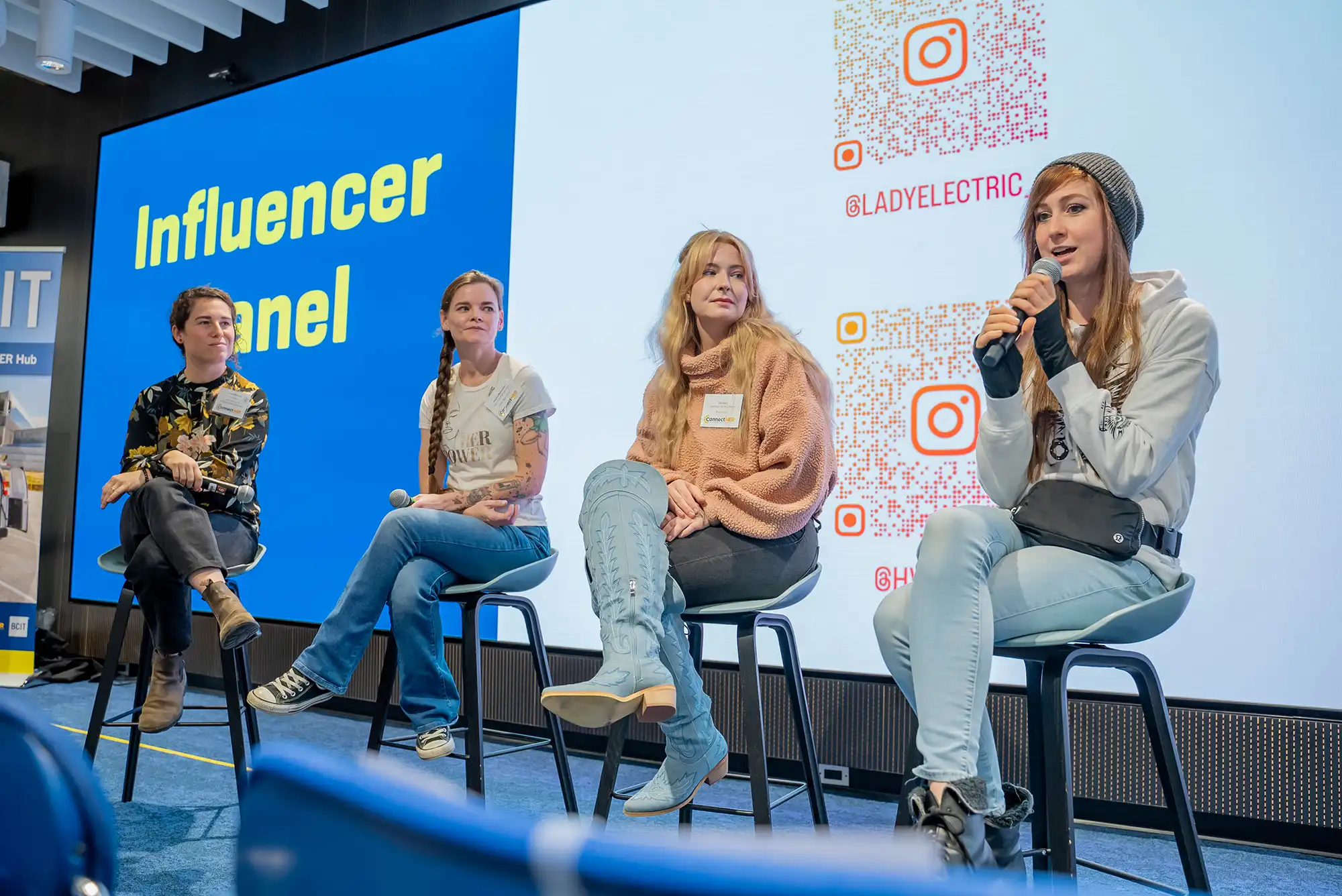
The Hub created a trades-specific space where students, apprentices, workers, instructors, alumni and industry partners could come together around the realities of skilled trades careers. Conversations explored workplace culture, representation, mentorship, confidence, safety and dignity, while connecting people with peers, organizations and resources that could help them navigate their careers.
Turning Community into Opportunity
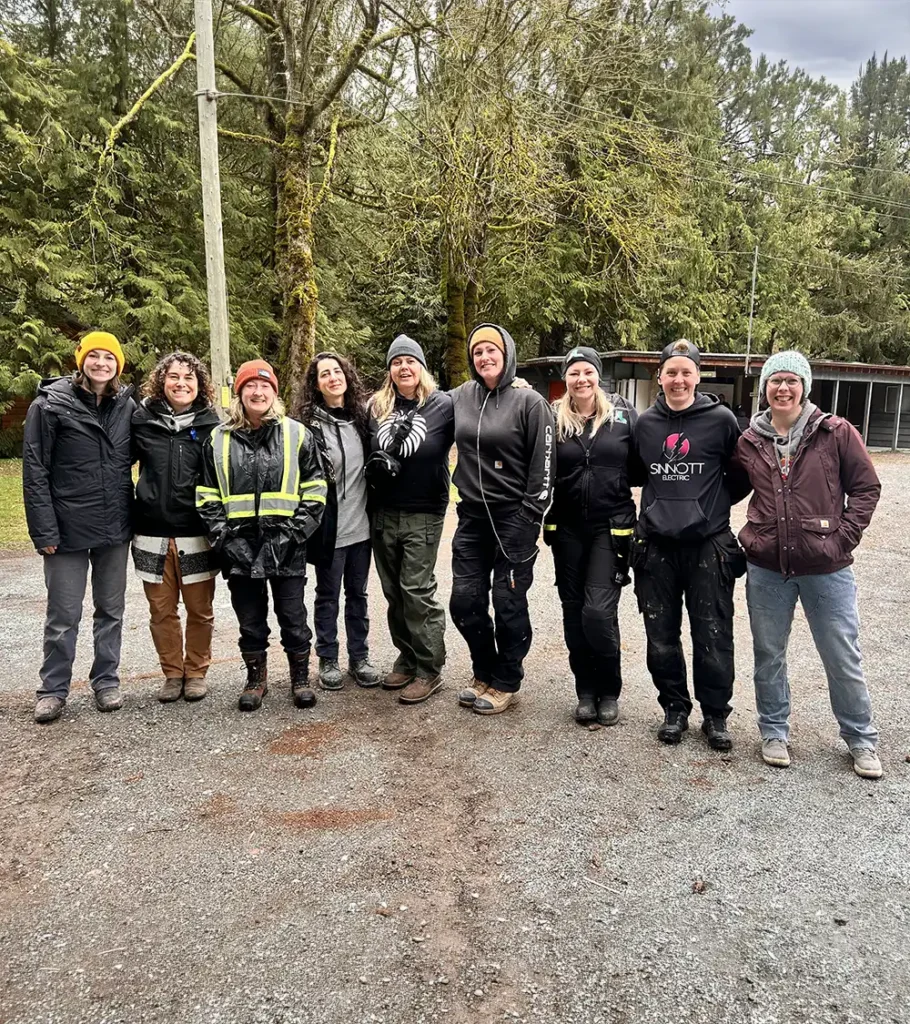
From the beginning, the Hub paired connection with practical opportunity. Community-building events, mentorship gatherings and student engagement created spaces where participants could meet peers and mentors, ask honest questions, build networks and see themselves reflected in skilled trades leadership.
That peer connection also helped activate resources. Rather than expecting individuals to navigate on their own, the Hub created opportunities for people to share what they knew and connect peers with organizations, programs and supports that could help.
As the Hub grew, so did its reach. Programming expanded to include employer and industry engagement, leadership development, focus groups, larger convenings and the development of the Leadership Accelerator for Trades Students (LATS). The Hub also became a connector across classrooms, job sites, unions, employers, industry associations, government, non-profits and community organizations.
2,000+ Attendees
at BCIT ConnectHER Hub events since 2024
That growth demonstrated something important: the demand for trades-specific community, mentorship, leadership development and meaningful conversations about workplace culture was real.
More Than a Hub
The BCIT ConnectHER Hub demonstrated that creating more inclusive skilled trades pathways doesn’t end when someone enters an apprenticeship, classroom or workplace. Retention is strengthened through culture, mentorship, safety, belonging and access to people and resources that help workers navigate challenges and opportunities along the way.
What started as a Hub became something larger – a community helping women and gender-diverse tradespeople find their place, connect with one another and shape what comes next.
Connected to ConnectHER
ConnectHER welcomes employers, industry leaders, associations, and organizations committed in supporting more inclusive and supportive skilled trades pathways for women across Canada.
To learn more about industry engagement and partnership opportunities, contact [email protected].