
Local Impact. National Action.
How ConnectHER IMPACT Projects Turned Research into Action
Turning Research into Action
One of the defining moments of ConnectHER came when research moved beyond the report and into communities across Canada. What began as evidence of the barriers women faced became a catalyst for community-led action, empowering partners to test new ideas and create opportunities that reflected local needs.
Guided by the Breaking Barriers Research, partners were invited to design and deliver IMPACT Projects that responded to the barriers women identified as preventing them from entering, advancing in, and remaining in the skilled trades. Rather than following a single model, each organization developed initiatives that reflected the unique needs of its own community while contributing to a shared national goal.
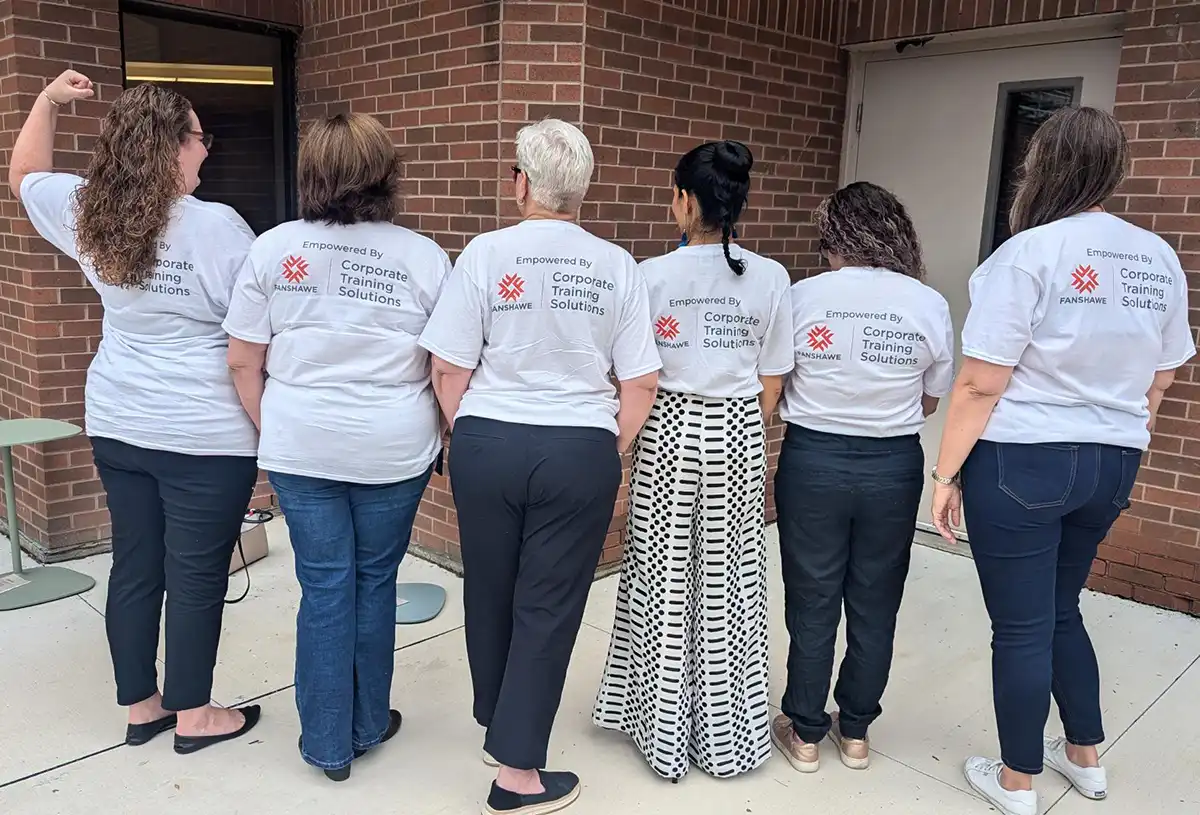
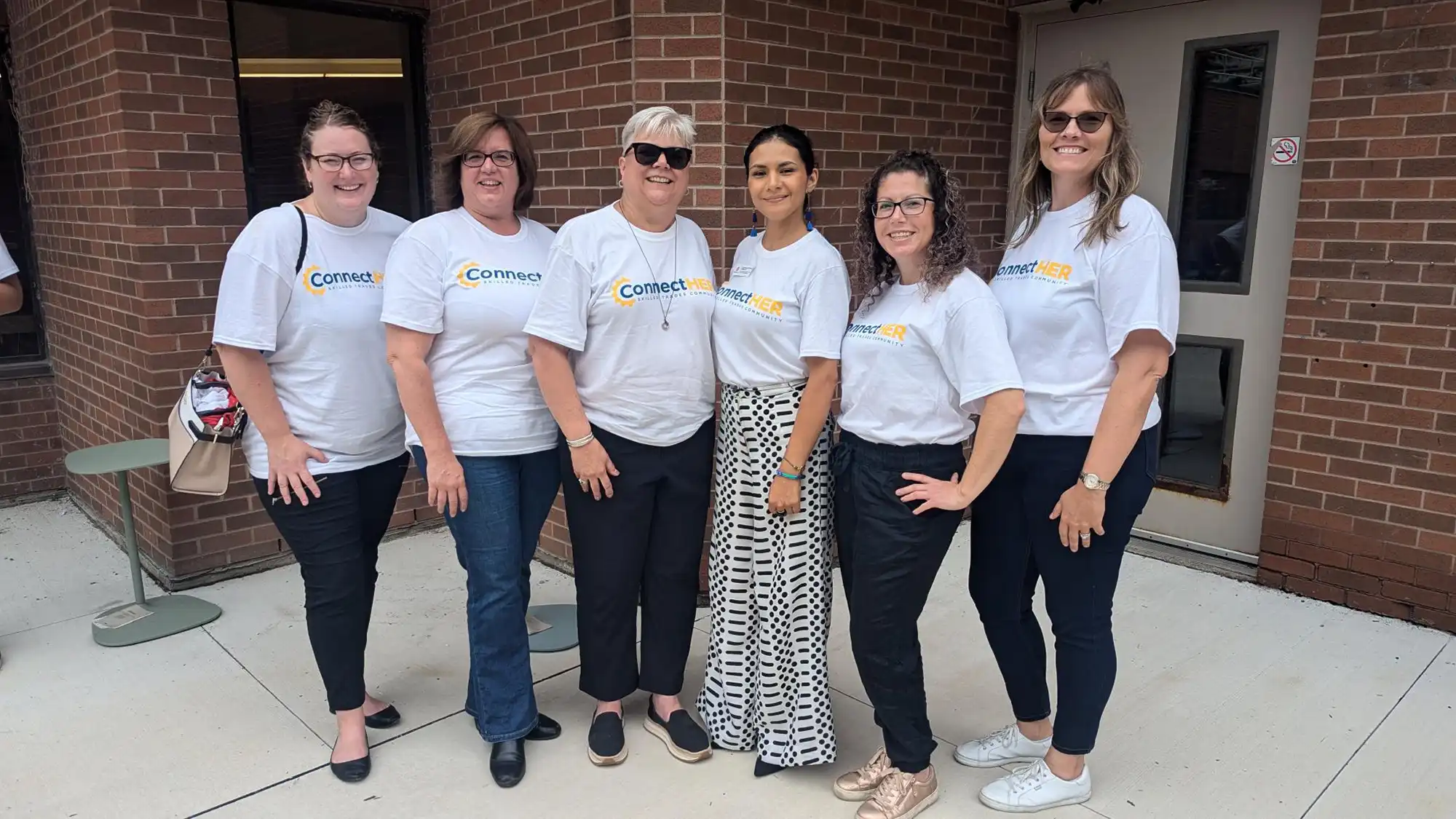
Every Community Had a Different Story to Tell
Throughout the project, IMPACT initiatives took many forms. The following are some examples of projects delivered through ConnectHER. Together, they demonstrate how organizations across Canada transformed local ideas into meaningful action, each contributing to a larger movement advancing women in the skilled trades.
Conestoga College continued supporting women exploring pre-apprenticeship pathways while extending mentorship beyond program completion. Women Building Futures delivered employment readiness workshops for more than 50 youth and low-income women, while Sault College connected a tradeswoman preparing for her Red Seal examination with both a sponsor and tutor through a mentorship initiative.
In British Columbia, BCIT delivered financial wellness programming for more than 120 trades students, hosted leadership development opportunities for women electricians and Indigenous tradeswomen, and created inclusive networking events for 2SLGBTQIA+ tradespeople. BCCWITT expanded mentorship, leadership training, and community engagement through workshops and public events, while La Cité and All Women Lead developed new approaches to storytelling and curriculum informed by the lived experiences of tradeswomen.
Although every project looked different, each reflected the same commitment: reducing barriers and creating stronger pathways for women in the skilled trades.
One of the most rewarding aspects of ConnectHER was watching organizations take research and transform it into meaningful action within their own communities. Every IMPACT Project reflected the priorities of its community, but together they demonstrated the strength of collaboration and what can happen when organizations work toward a shared vision of advancing women in the skilled trades.
Holly Parks
IMPACT Project Coordinator, Fanshawe Corporate Training Solutions
A Legacy Built Together
The IMPACT Projects were more than a collection of events and initiatives. Across Canada, organizations showed that mentorship, connection, and collaboration are not simply supports for women entering the skilled trades, they’re essential for helping women build lasting careers.
Perhaps the greatest legacy of the IMPACT Projects is not any single initiative, but the collective momentum they created. Together, these community-led efforts demonstrated that local action can inspire national change. More importantly, they showed that when organizations are trusted to lead within their own communities, the ideas, partnerships, and lessons they create continue to inform and strengthen future efforts to advance women in the skilled trades.
Connected to ConnectHER
ConnectHER welcomes employers, industry leaders, associations, and organizations committed in supporting more inclusive and supportive skilled trades pathways for women across Canada.
To learn more about industry engagement and partnership opportunities, contact [email protected].